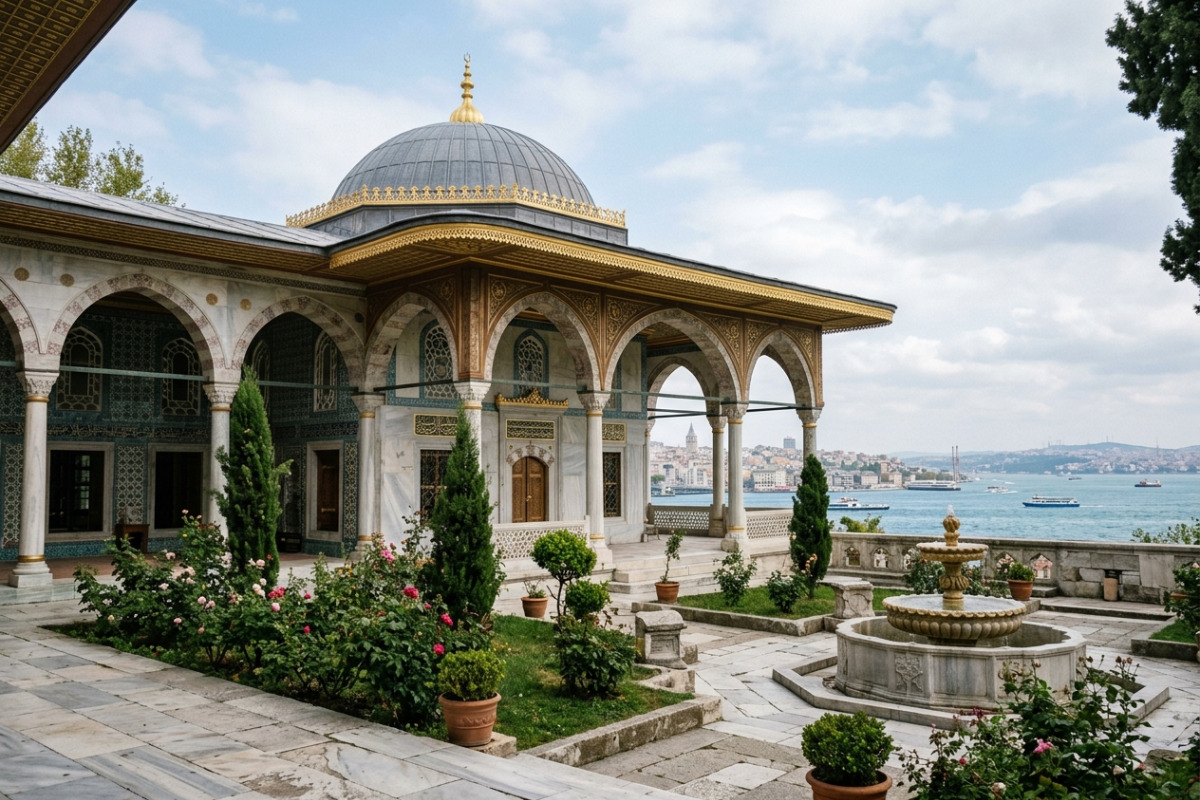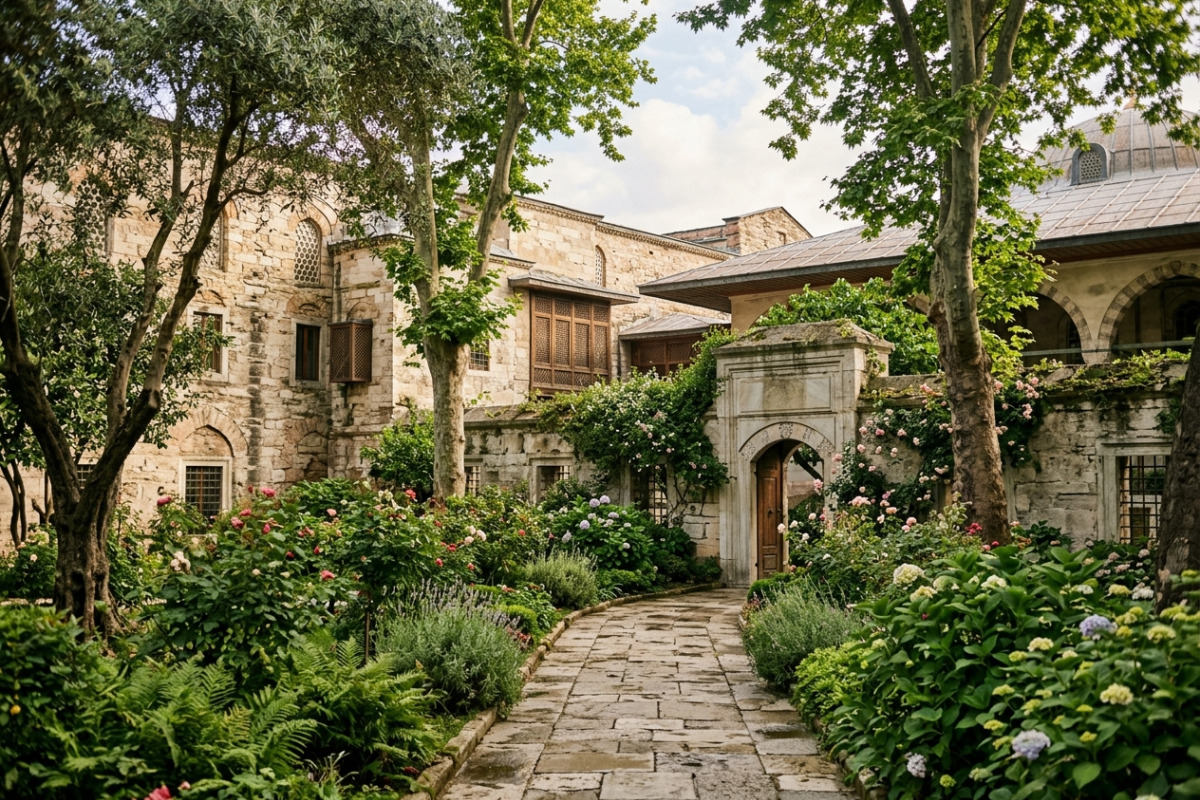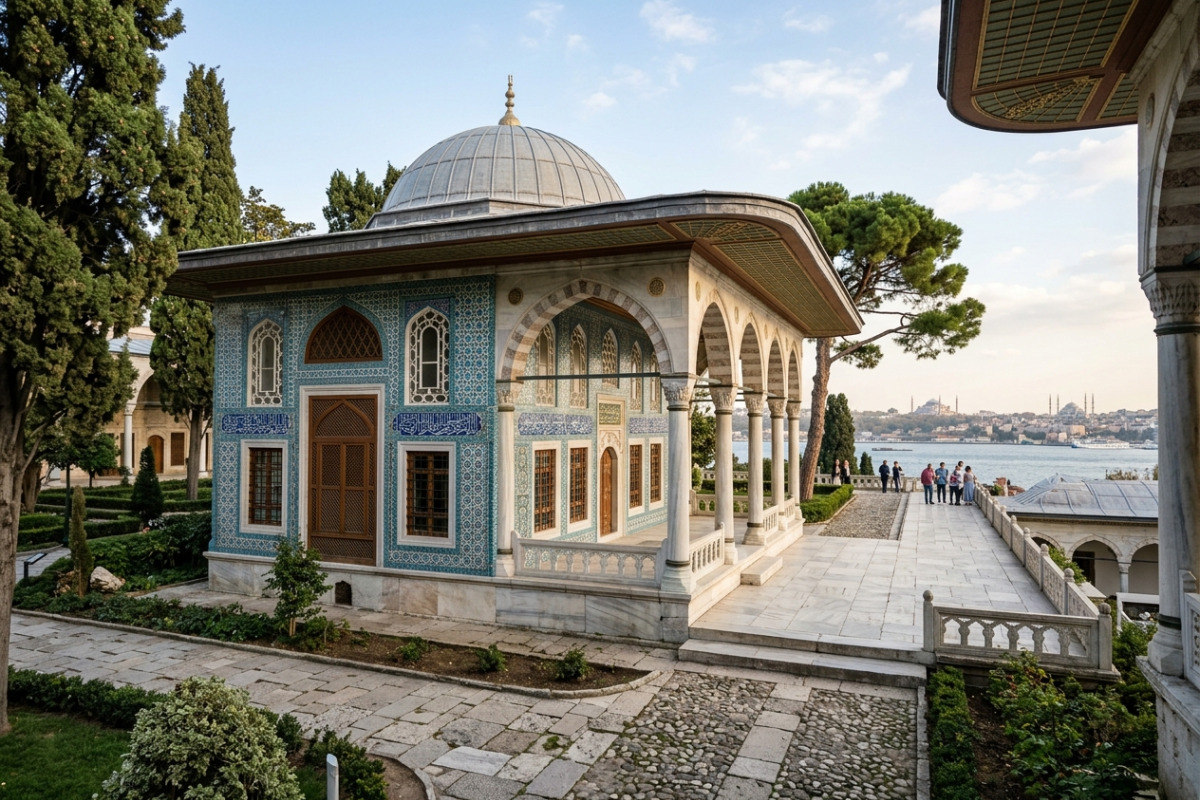
Discover the architectural structure of Topkapi Palace. This magnificent building, rich in traces of Ottoman art, holds many secrets throughout history.
Topkapi Palace is not only the administrative center of the Ottoman Empire but also a rich treasure in terms of architecture. Every corner of the palace carries traces of the past, drawing attention with its architectural details and materials used. In this article, we will delve into the architectural structure of Topkapi Palace, examining how it has evolved over time and which art movements have influenced it.
The Architectural Style of Topkapi Palace
The architecture of Topkapi Palace reflects various art movements of the Ottoman period. Traditional Seljuk architecture was influential in the initial construction of the palace. However, over time, the effects of Western architecture began to be observed as well. The combination of these two different cultures has created a rich diversity in the overall structure of the palace.
Particularly striking are the transitions between the courtyards and rooms of the palace. The architectural design of different sections combines functionality and aesthetics, offering visitors both a visual and emotional experience. The tiles, mosaics, and other decorations used in various parts of the palace showcase the elegance of Ottoman art.
Architectural Features of the Palace Sections
Topkapi Palace houses many different sections, each with its own unique architectural features. For example, the Harem Suite has a very unique structure as it is an area exclusively for women. The colors, patterns, and architectural details used here reflect the mystery and grandeur of the Harem.
Similarly, the Treasury Department is architecturally rich due to being filled with precious stones and jewelry. The gold-plated details and exquisite craftsmanship demonstrate how valuable this space is. Each section of Topkapi Palace tells visitors a different story.
Architectural Details and Decorations
One of the most important elements influencing the architectural structure of the palace is the decorations. In the interiors of Topkapi Palace, tiles, wooden carvings, and frescoes have been meticulously crafted. These decorations not only carry aesthetic value but also reflect the artistic understanding of the era.
The tiles appear in various areas of the palace. Particularly, the tiles in the Sacred Relics section are among the finest examples of Ottoman art. The harmony of colors and the elegance of patterns illustrate how meticulously the architectural structure of the palace was created.
The Current Importance of Topkapi Palace
Today, Topkapi Palace is not only a museum but also holds great significance as an architectural heritage. Visitors explore the architectural structure and history of the palace while delving into the depths of Ottoman culture. The palace attracts thousands of tourists each year and continues to convey its rich history.
Visiting Topkapi Palace is not just a historical journey but also an architectural experience. If you would like to explore this magnificent structure, you can check the visiting information.
Conclusion
The architectural structure of Topkapi Palace carries traces of the past while being preserved as an important cultural heritage today. Examining the details of this magnificent structure is a great opportunity to better understand the artistic understanding and history of the Ottoman Empire. Don't forget to visit the palace to experience this unique journey!