We delve into the ghost legends whispered within the Ottoman palaces' majestic walls, the sorrowful secrets of the Harem, and the historical truths behind Istanbul's haunted master carpenter. This article also encourages the reader to consider if these whispers are just legends or echoes from the depths of history.
Istanbul has long been not only the cradle of civilizations, but also the capital of sorrowful stories, unfulfilled loves, and lives extinguished by the lust for power, all etched into its stones. Behind the magnificent silhouette reflected in the cool waters of the Bosphorus lie not only victories recorded in history books, but also whispers believed to echo in the palace corridors. Legends, particularly those from the Ottoman era, have always captivated curious travelers and history enthusiasts. Even on these cold January days of 2026, the shivers you feel while wandering through the historical peninsula may be the result not only of the wind, but also of the indelible traces of the past. In this article, we embark on a mysterious journey into the stories of the spirits that roam the dark corners of Ottoman palaces and the truths behind these legends. Do you think these whispers are merely legends, or echoes from the depths of history?
The Silent Screams of Topkapi Palace and the Secrets of the Harem
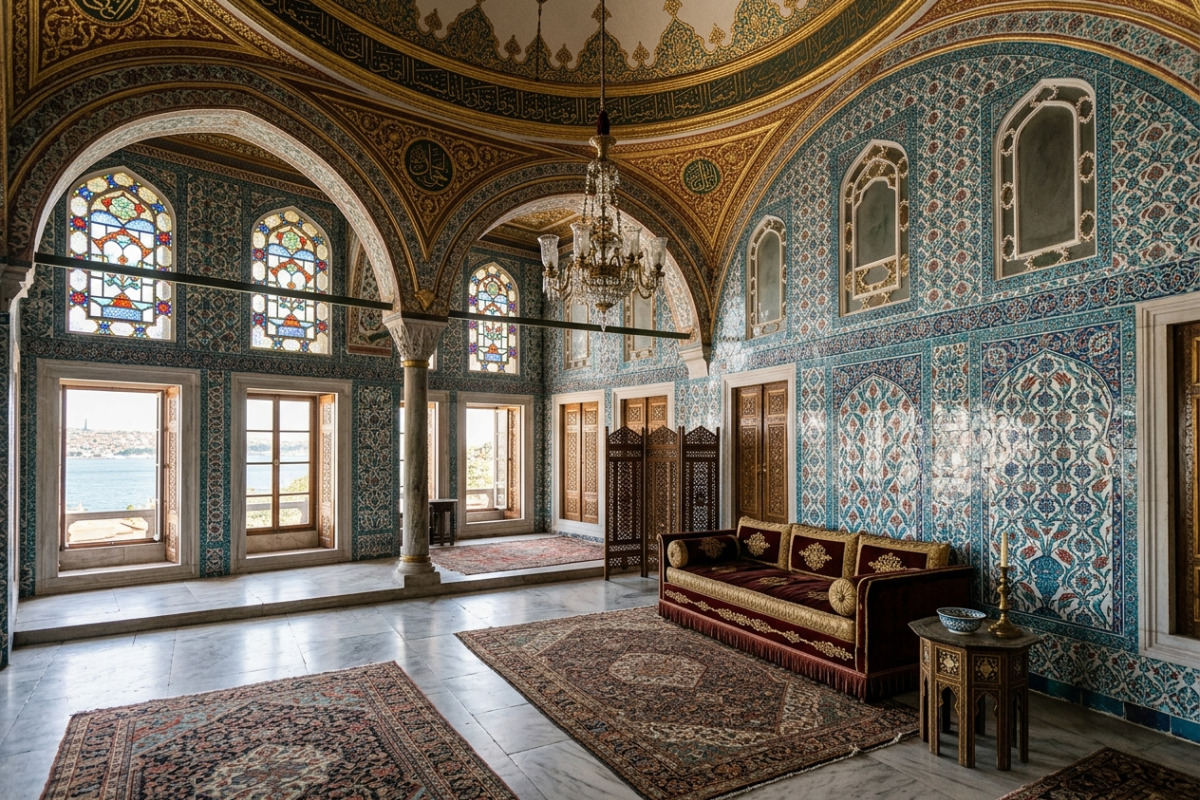
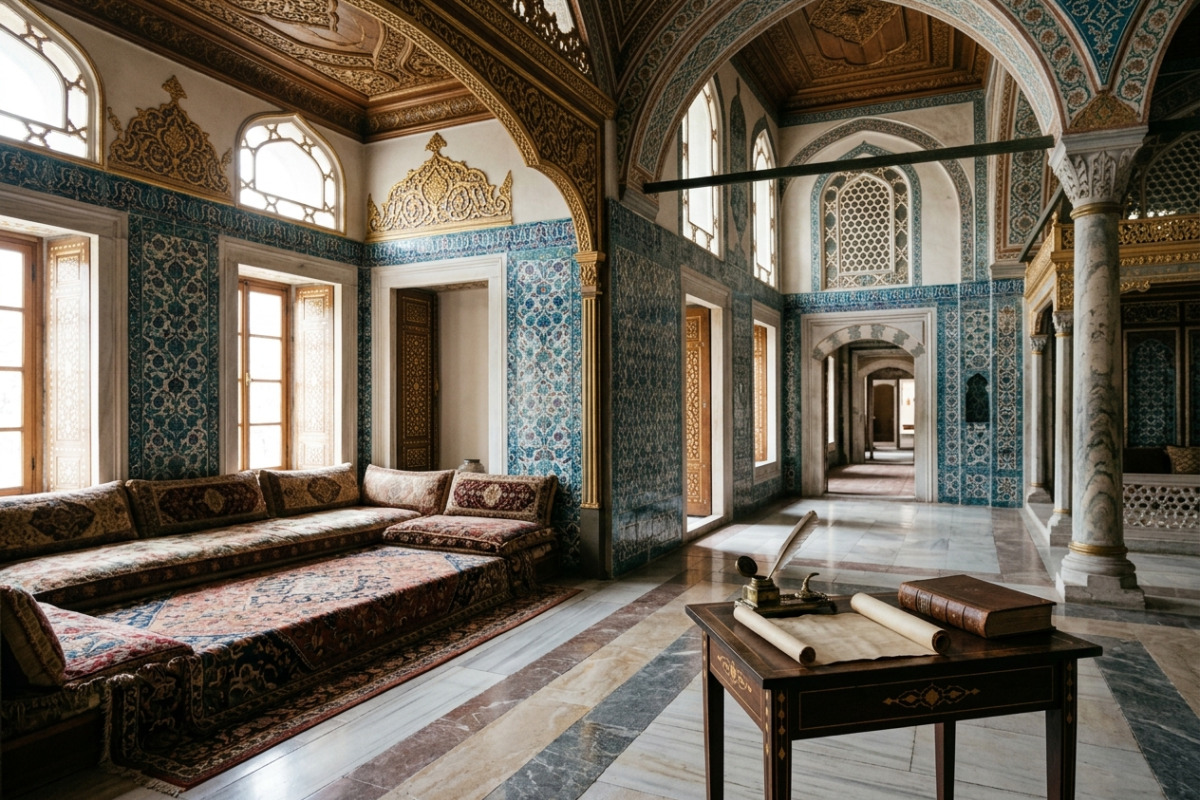
Topkapi Palace, the administrative center of the Ottoman Empire for centuries, witnessed countless intrigues, executions, and palace wars. The Harem, in particular, is among the most legendary places, due to its complete isolation from the outside world and the fierce competition that took place within. Visitors often report feeling an inexplicable heaviness as they walk through the narrow, dimly lit corridors of the Harem, as if someone is watching them. Legends say that the spirits of concubines who died in the Harem from illness or jealousy still wander within those cold stone walls.
The best-known legend of the Harem is the tragic result of the power struggles between the Valide Sultans (Queen Mothers) and the disgraced concubines. Stories of the sounds of water and sobs emanating from the Harem's baths at night have been passed down through generations. The painful truth behind these stories is equally heartbreaking: tuberculosis epidemics and political assassinations within the palace claimed the lives of many young women. These tragedies, combined with popular imagination, fueled the belief that the palace was haunted.
"The harem is like a golden cage; from the outside it dazzles, but inside there is captivity." - An Ottoman Historian
The Executioner's Fountain and Lost Souls
The Executioner's Fountain, located in front of the Bab-ı Hümayun Gate of Topkapi Palace, was the site where the empire's darkest tasks were carried out; executioners would wash their hands and swords here after executions. It is considered a place cursed by the oaths of officials believed to have been unjustly executed, a spot where people whisper prayers as they pass by. Eerie stories are told of headless shadows that sometimes roam the fountain at night. But in historical reality, executioners were outcast members of society, condemned to nameless, solitary deaths without gravestones or names. This in itself creates an atmosphere of fear and mystery.
The Haunted Mansions of the Bosphorus: Yusuf Ziya Pasha Mansion
The mysterious events of the Ottoman era were not limited to palaces; they extended to the mansions and villas that were the pearls of the Bosphorus. The most famous is the Yusuf Ziya Pasha Mansion, locally known as the Haunted Mansion. Located in Rumeli Hisarı, the story of this building is built on an unfinished construction and unfulfilled dreams. Yusuf Ziya Pasha deeply loved his wife and wanted to build this mansion for her, but World War I and economic difficulties left the project incomplete. The Pasha's bankruptcy and subsequent family tragedies fueled rumors that the mansion was cursed.
For years, the building stood empty with its bricks exposed, and it was frequently reported that at night a woman's silhouette walked through the windows with a candle in her hand. This silhouette is said to be the spirit of the Pasha's wife, who could not find peace in the unfinished house. In reality, the essence of these legends lies in prolonged neglect, the groans of the wind in empty rooms, and the human mind's attempt to give meaning to the darkness. Yet, the strange atmosphere felt when passing by the mansion retains the power of the legend. Do you think this is just a coincidence, or is there more to it?
Historical and Psychological Realities Behind the Legends
Ghost stories and legends are often a reflection of our attempts to make sense of unexplained events or our collective conscience. When we examine the realities behind these narratives in the Ottoman Empire, we frequently encounter political turmoil, epidemics, and tragic deaths. Because people did not know what was happening behind the palace walls, they embellished the whispers with supernatural elements.
Here are some popular myths and the possible facts behind them:
| Location / Subject | The Legend That Was Told | Historical and Logical Explanation |
| Topkapi Palace Harem | The corridors filled with the cries of concubines and babies. | High infant mortality rates, tuberculosis epidemics, and the sounds of a wooden structure in the wind. |
| Basilica Cistern | People turned to stone by Medusa's gaze, and whispers coming from the water. | The acoustics of the cistern, the echoes of dripping water, and the deceptive effects of a humid environment. |
| Bakırköy Mental and Neurological Diseases Hospital | Hearing the screams of past patients. | The oppressive architecture of the historic building and the traumatic memory created by primitive treatments used in the past. |
| Büyükada Greek Orphanage | The ghosts of the children who died in the fire. | The building's abandoned, creaky wooden structure and the wind (there is no record of a major fatal fire in the building). |
Istanbul's Underground World: The Mystery of the Cisterns
Cisterns, dating back to the Byzantine era and actively used during the Ottoman period, create another mysterious world beneath the city. The Basilica Cistern, with its dim lighting and columns rising from the water, creates a mystical atmosphere. People from the Ottoman era recounted catching fish from wells beneath their houses and hearing strange noises from underground at night. Medusa heads arranged in inverted positions were seen as guardians of this underground world, giving rise to countless legends. Stories of people getting lost in the cisterns are actually accidents that befell those who were unaware of the city's complex water system at the time.
Do you dare to delve even deeper? What secrets do you think lie hidden in the dark waters of the Basilica Cistern?
Tips for those who want to explore this mysterious world
If you want to follow the clues like a detective through the dusty pages of history and see firsthand the places where these legends unfolded, there are some points to keep in mind when planning your route. These places are not just tourist stops; they are memory spaces where lived experiences are absorbed.
- Choose Early Hours: Visit popular spots like Topkapi Palace and the Basilica Cistern before the crowds, at dawn. It's easier to hear the whispers of history in the silence.
- Join Guided Tours: Instead of focusing solely on the visual beauty, listen to the details shared by historians or guides specializing in the area. Even a crack in the wall can hold a story.
- Make Time for the Harem: You may need a separate ticket for the Harem during your palace visit, but soaking up that enigmatic atmosphere is definitely worth it.
- Take a Bosphorus Cruise: Seeing the Haunted Mansion and Esma Sultan Mansion from the sea will help you understand their grandeur and mystery more deeply.
In conclusion, these ghost legends, dating from the Ottoman Empire to the present day, constitute a cultural heritage where reality and fiction intertwine. These stories not only evoke fear or excitement; they also open a door to understanding the suffering, fears, and hopes of people who lived in the past. While walking the streets of Istanbul, try to feel not only the architecture but also the soul of the buildings. Because every stone has a story to tell.