Discover the architectural structure and artworks of Topkapi Palace, a symbol of the rich culture of the Ottoman Empire. Continue reading to explore further.
Topkapi Palace is not just a palace but also one of the most significant representatives of the cultural and artistic heritage of the Ottoman Empire. In this article, we will explore the architectural features of the palace and the profound meanings of the artworks within it. The details offered by this unique structure resemble a treasure for history enthusiasts.
The Architectural Structure of Topkapi Palace
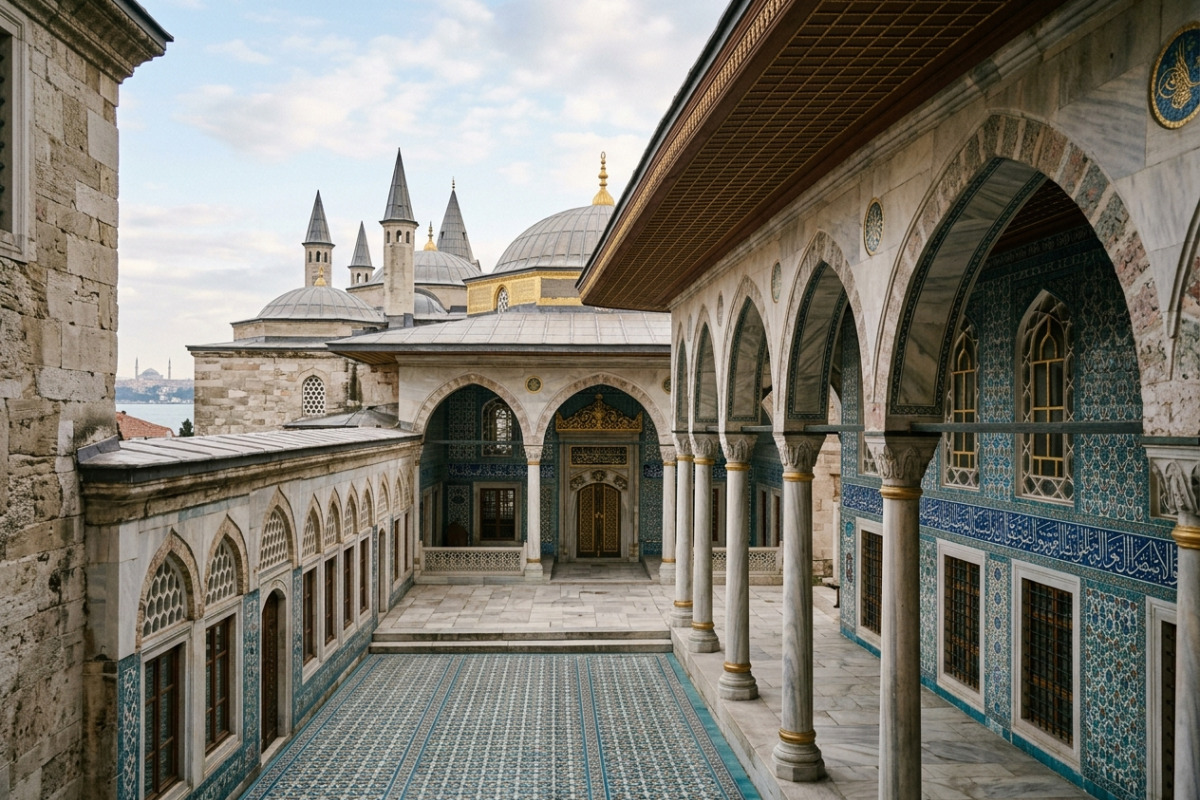
Built in the 15th century, Topkapi Palace has been enriched with additions made during various periods. While the initial structures bear traces of traditional Ottoman architecture, European influences began to be observed over time. The architecture of the palace is notable for its vast courtyards, magnificent domes, and elegant decorations.
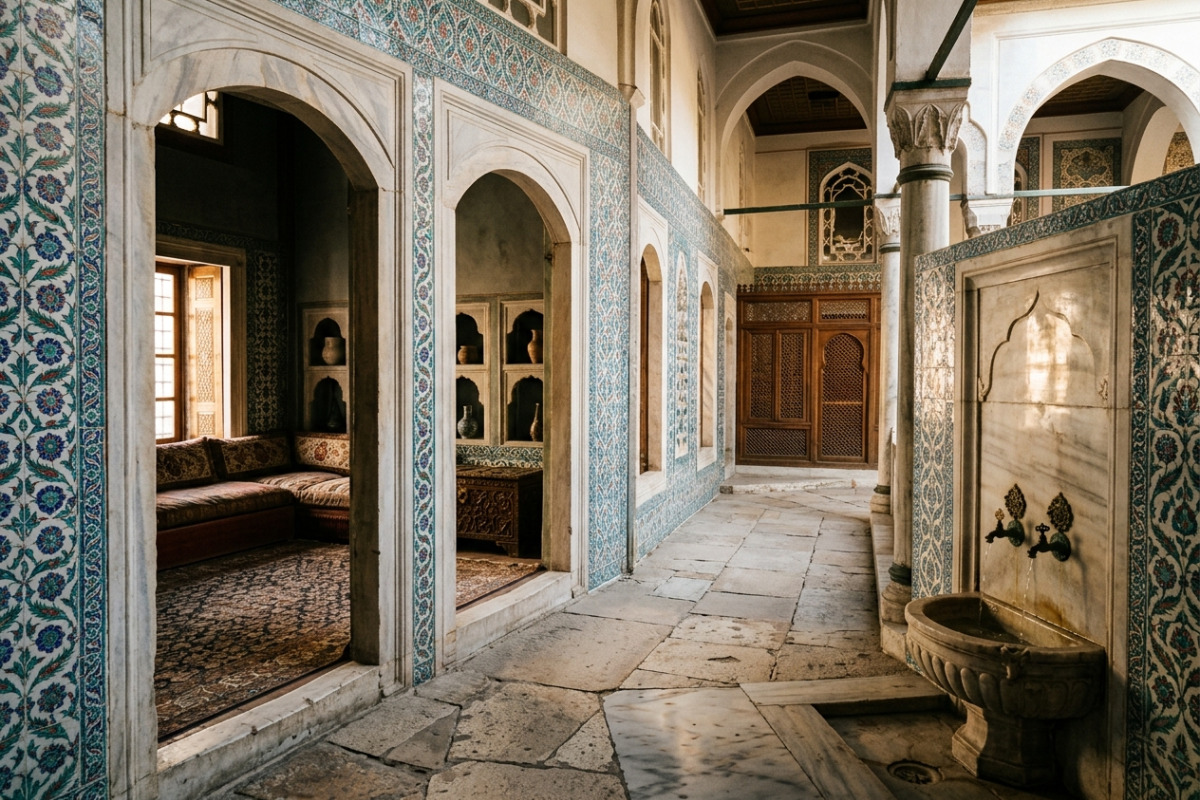
One of the most striking features of the palace's architecture is the relationship between the various courtyards and the structures surrounding them. For instance, the Imperial Council symbolizes the management functions of the palace, while the Harem Suite represents the palace's private living area. The coexistence of these structures reflects the complex nature of Ottoman state governance.
Artworks and Collections
Topkapi Palace also holds great significance due to its artworks. The sacred relics found within the palace not only carry religious value but also showcase the richness of Ottoman art. Among these pieces are precious stones from the Seljuk and Ottoman periods, handcrafted decorative objects, and historical documents.
Additionally, the Treasury Department of the palace is an important section that exhibits the wealth of the Ottoman Empire. The gold, silver, and jewel-encrusted artifacts found here reflect the grandeur of the empire's past while also revealing the artistic understanding of the era.
Visitor Experience at Topkapi Palace
Visiting Topkapi Palace is not only a historical journey but also a deep dive into art and architecture. Strolling through the palace's expansive gardens, examining the architectural details in the courtyards, and viewing the exhibited artworks offer visitors a unique experience. One of the key points of your visit is to plan your itinerary using the palace map.
Especially during the summer months, events and special exhibitions held in the gardens attract visitors' attention. These events make the enchanting atmosphere of Topkapi Palace even more special for both local and foreign tourists.
Conclusion
Topkapi Palace showcases the cultural richness of the Ottoman Empire through its architecture and the artworks inside. Visiting this unique structure is an unmissable opportunity for history and art enthusiasts. If you also wish to embark on this historical and artistic journey, you can check the visiting information to plan your trip.