Situated on Istanbul's historic peninsula, the Topkapı Palace carries the splendor and mystery of the Ottoman Empire into our era. From the Harem to the Sacred Relics, from scenic pavilions to priceless treasures, explore the palace's 10 must-see spots enhanced with practical information, dress code details, and photography guidelines in our guide.
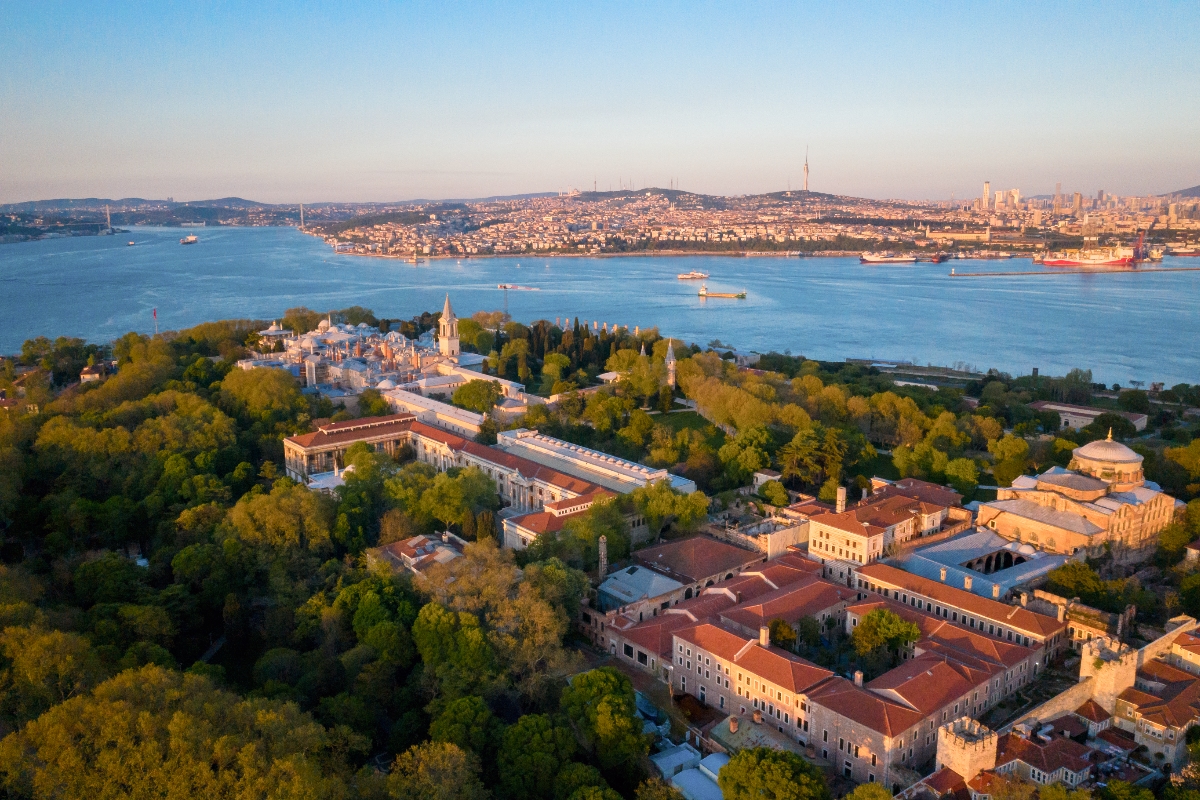
Situated on Istanbul's historic peninsula, Topkapı Palace carries the splendor and mystery of the Ottoman Empire into our era. Perched at the tip of Sarayburnu (Seraglio Point), where the Sea of Marmara, the Bosphorus, and the Golden Horn converge, this magnificent structure houses countless stories of intrigue, triumph, and sorrow behind its stone walls. Stepping away from the chaos of the modern world into this magical atmosphere will make time feel as if it stands still. To make your visit more enjoyable and informative, we've compiled practical information about the artifacts and buildings within the palace. Here are 10 essential points to see in this vast complex without getting lost.
1. Bab-ı Hümayun (Imperial Gate) and the First Courtyard: A Magnificent Beginning
Introduction: Your palace visit begins at the enormous gate behind Hagia Sophia, the Bab-ı Hümayun (Imperial Gate). This gate symbolizes the power and authority of the Ottoman state. The First Courtyard, greeting you as you step inside, is the only area accessible to the public. Here you can feel the palace’s connection with the outside world.
History: Constructed during the reign of Mehmed the Conqueror in the 15th century, the Imperial Gate served as the main entrance to the palace, a potent symbol of Ottoman power. It was the gateway through which sultans, dignitaries, and even foreign ambassadors passed.
Why Visit: The most notable structure in this courtyard is the Hagia Irene Church, dating from late Late Antiquity and preserved by the Ottomans as a storage building. Its survival as a church within the palace grounds—without conversion—signals Ottoman tolerance. Walking through this courtyard and imagining the areas where janissaries once received their salaries and the palace’s logistics buildings offers a fantastic start to the atmosphere.
Practical Information:
- Location: First Courtyard
- Entrance: Free access
- Opening Hours: Same as Topkapı Palace (see general information below)
- Ticket Information: Free
- Photography: Allowed
- Best Time to Visit: Early morning to avoid crowds.
Tip: Take a moment to appreciate the architecture of the Imperial Gate. It's a great spot for photos before the crowds arrive. The First Courtyard is also a great place to orient yourself and grab a map.
2. Babüsselam (Gate of Salutation) and II. Avlu (Second Courtyard): Transition to Silence
Introduction: The second gate, Babüsselam (Gate of Salutation), with its famous two-tower design, forms the actual entrance to the palace. Historically, only the sultan could pass this gate on horseback; everyone else had to dismount and walk. From the moment you pass through this gate, palace protocol begins and silence prevails.
History: Built in the 15th century, this gate marked the transition from the outer world to the inner sanctum of the Ottoman court. Its imposing structure reflected the Sultan's authority and the strict protocol of the palace. It was here that foreign dignitaries were received, and justice was often dispensed.
Why Visit: II. Avlu (Second Courtyard) is the seat of state administration. As you stroll under the shade of lawns and ancient plane trees, you can envision the elaborate ceremonies and ambassador receptions once held here. On the right side of the courtyard lie the palace kitchens, and on the left, the Divan-ı Hümayun (Imperial Council) and the Harem entrances. The layout and landscaping of this courtyard stand as a tangible example of the Ottoman order and discipline. Don't miss the Justice Tower, a symbol of the Sultan's impartiality.
Practical Information:
- Location: Entrance to the Second Courtyard
- Entrance: Included in the Topkapı Palace entrance fee
- Opening Hours: Same as Topkapı Palace (see general information below)
- Ticket Information: Included in the Topkapı Palace entrance fee
- Photography: Allowed
- Crowd Levels: This area can get crowded, especially during peak season.
Tip: Try to visit during off-peak hours to better appreciate the architecture and atmosphere. Look for the Justice Tower, a symbol of the Sultan's power.
3. Divan-ı Hümayun (Imperial Council) / Kubbealtı: Where Decisions Were Made
Introduction: You are now in the place where the fate of the Ottoman state was decided. Also known as Kubbealtı (Under the Dome), this building is where the Grand Vizier and other viziers gathered to discuss state matters. The most interesting detail is the “Kafes-i Müşebbek” window (latticed window).
History: The Imperial Council chamber was the heart of Ottoman governance, where crucial decisions were debated and enacted for centuries. Its architecture reflects the power and formality of the Ottoman state. The Grand Vizier presided over the meetings, and the decisions made here shaped the course of the empire.
Why Visit: Behind the “Kafes-i Müşebbek” window, the sultan observed meetings, but the viziers could never know whether the sultan was present. This ensured that meetings were conducted with constant vigilance. The interior’s scribal work and gold leaf decorations reflect the weight of Ottoman bureaucracy. The intricate details of the Divan's interior decoration are a testament to Ottoman artistry.
Practical Information:
- Location: Second Courtyard
- Entrance: Included in the Topkapı Palace entrance fee
- Opening Hours: Same as Topkapı Palace (see general information below)
- Ticket Information: Included in the Topkapı Palace entrance fee
- Photography: Allowed, but may be restricted in certain areas.
Tip: Look for the Kafes-i Müşebbek window and imagine the Sultan secretly observing the council meetings. It's a fascinating glimpse into Ottoman power dynamics. Notice the intricate details of the Divan's interior decoration.
4. Harem Suite: A Mysterious World
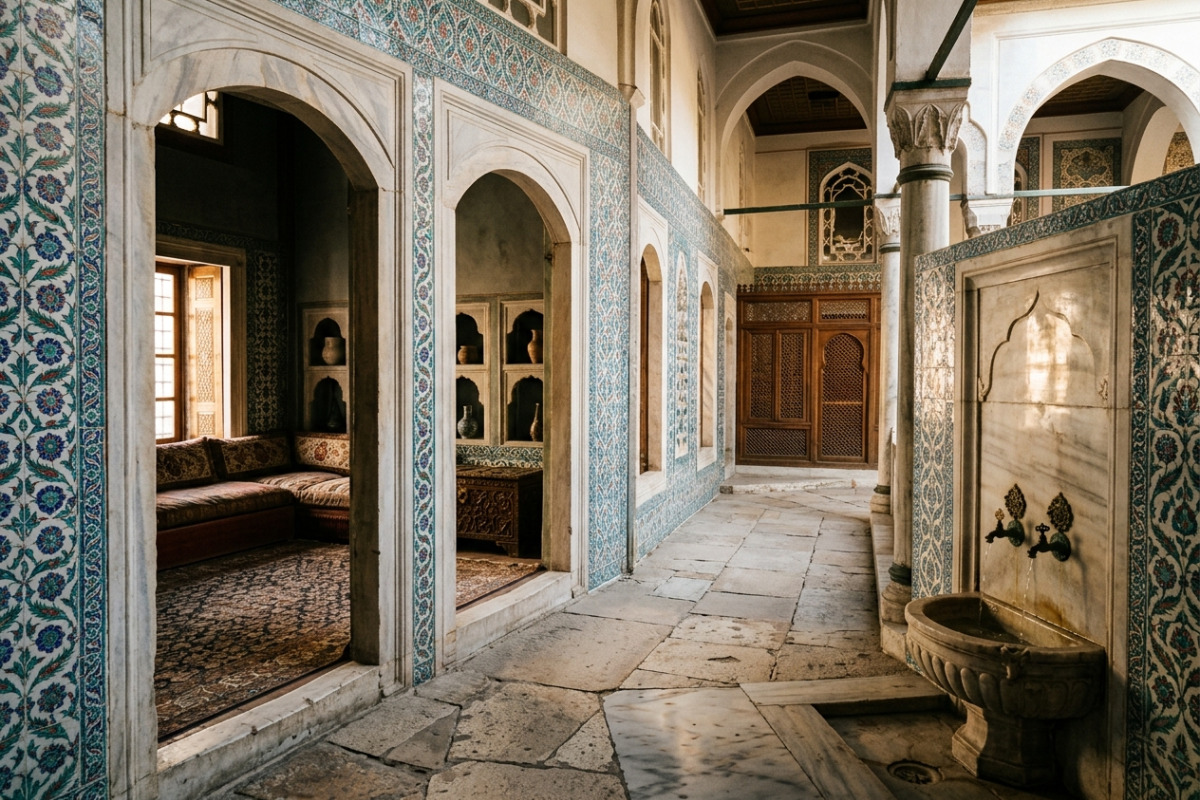
Introduction: Undoubtedly the most fascinating part of Topkapı Palace is the Harem. The word means “forbidden,” and here the sultan’s family lived in a private domain. This area is not just a home; it is a strict center of discipline and education. Its labyrinthine corridors, magnificent tiles, and hierarchical structure will enchant you.
History: The Harem evolved over centuries, reflecting the changing tastes and power dynamics of the Ottoman court. It was a complex world of family, politics, and intrigue, governed by strict rules and traditions. The Harem was home to the Sultan's mother, wives, concubines, and children, as well as eunuchs who served as its guardians.
Why Visit:
- Valide Sultan Suite (Queen Mother's Suite): Managed by the Valide Sultan, the sultan’s mother, the most powerful woman in the Harem, representing the pinnacle of splendor.
- Sultan’s Sofa (Imperial Hall): The grandest and most ornate room where the sultan’s family spent time and where entertainments were organized.
- Concubines’ Courtyard: The courtyard where palace women carried on daily life.
Practical Information:
- Location: Accessible from the Second Courtyard
- Entrance: Requires a separate Harem ticket (check official website for current pricing).
- Opening Hours: Same as Topkapı Palace (see general information below)
- Ticket Information: Requires a separate Harem ticket (check official website for current pricing).
- Photography: Allowed, but flash photography may be restricted in some areas.
- Queues: Expect long queues, especially during peak season.
Tip: The Harem requires a separate ticket. Purchase it in advance, especially during peak season, to avoid long queues. Consider a guided tour to learn more about the history and daily life within the Harem. The intricate tilework is especially noteworthy.
5. Sacred Relics Suite: The Spiritual Heart
Introduction: Exhibited in the Has Oda (Privy Chamber), the Sacred Relics are the spiritual heart of the palace. These items, brought to Istanbul after Selim I’s Egypt campaign in 1517, hold immeasurable value for the Islamic world. The tradition of reciting the Quran uninterrupted, around the clock, continues here today.
History: The collection of Sacred Relics began with Selim I's conquest of Egypt and has been revered by the Ottoman Sultans ever since, becoming a symbol of their role as protectors of Islam. The relics include items believed to have belonged to the Prophet Muhammad and other important figures in Islamic history.
Why Visit: Alongside relics attributed to the Prophet Muhammad—his cloak, sword, holy hair, and footprints—are items related to other prophets and companions. When visiting this section, observe quietness and adhere to the dress code as a sign of reverence for the space.
Practical Information:
- Location: Third Courtyard
- Entrance: Included in the Topkapı Palace entrance fee
- Opening Hours: Same as Topkapı Palace (see general information below)
- Ticket Information: Included in the Topkapı Palace entrance fee
- Dress Code: Shoulders and knees should be covered. Shawls are often available at the entrance.
- Photography: Prohibited.
- Silence: Maintain silence and show respect.
Tip: Maintain silence and dress respectfully when visiting the Sacred Relics Suite. Photography is usually prohibited. The atmosphere is very solemn and moving.
6. Outer Treasury (Fatih Mansion): Ottoman Wealth
Introduction: The Treasury, illustrating Ottoman wealth and artistic sensibility, is among the sections that attract the most attention. In this area, you can witness the empire’s power through renowned works of art.
History: The Treasury showcases the immense wealth accumulated by the Ottoman Empire through conquests, trade, and tributes. It reflects the empire's power and artistic achievements. The collection includes precious jewels, weapons, and ceremonial objects.
Why Visit:
- Spoonmaker’s Diamond: An 86-carat diamond encircled by 49 diamonds, dazzling beyond measure.
- Topkapı Dagger: A work of art with a hilt encrusted with grand emeralds and a hidden clock inside.
Practical Information:
- Location: Third Courtyard
- Entrance: Included in the Topkapı Palace entrance fee
- Opening Hours: Same as Topkapı Palace (see general information below)
- Ticket Information: Included in the Topkapı Palace entrance fee
- Photography: Generally prohibited, check signage.
- Crowds: Expect very large crowds.
Tip: The Treasury can be very crowded. Be prepared to wait in line, especially to see the Spoonmaker's Diamond and the Topkapı Dagger. Consider visiting early in the morning or later in the afternoon. The lighting is often dim to protect the artifacts.
7. Baghdad Pavilion: A Celebration of Victory
Introduction: Located in the IVth Courtyard, the Baghdad Pavilion was built to commemorate Murad IV’s campaign to Baghdad in 1638. It is considered one of the most elegant examples of classical Ottoman pavilion architecture.
History: Commissioned by Sultan Murad IV to commemorate his successful campaign in Baghdad, this pavilion stands as a testament to Ottoman military prowess and architectural sophistication. It served as a place for the Sultan to relax and entertain guests.
Why Visit: Both the interior and exterior are decorated with the era’s finest Iznik tiles. The ceiling’s craftsmanship, mother-of-pearl inlays on the doors, and hearth details create an aesthetic feast. From the pavilion’s balcony, the view of the Golden Horn and Galata Tower may rekindle your love for Istanbul.
Practical Information:
- Location: Fourth Courtyard
- Entrance: Included in the Topkapı Palace entrance fee
- Opening Hours: Same as Topkapı Palace (see general information below)
- Ticket Information: Included in the Topkapı Palace entrance fee
- Photography: Allowed.
Tip: Take your time to admire the intricate Iznik tiles both inside and outside the Baghdad Pavilion. The view from the balcony is also worth lingering over. This pavilion offers a great insight into Ottoman aesthetics.
8. Palace Kitchens and the Porcelain Collection: A Culinary Empire
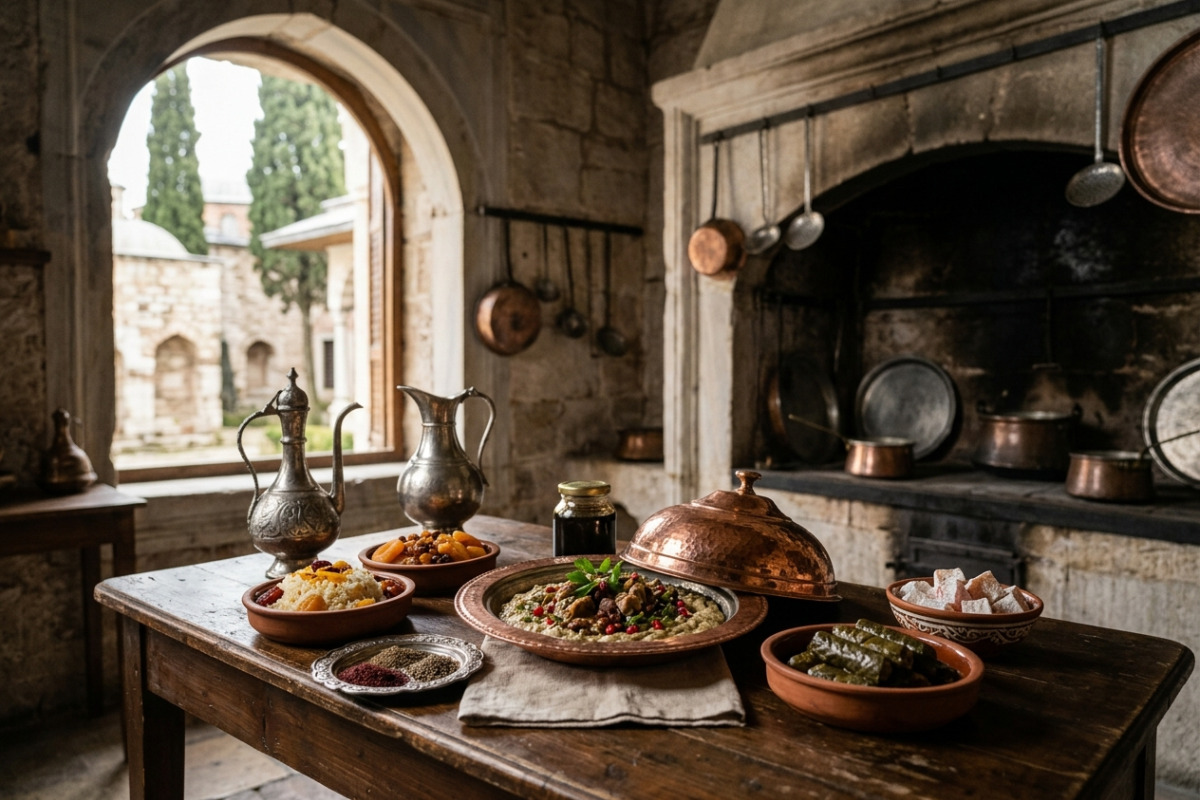
Introduction: On the right side of the II Avlu are the palace kitchens, notable for their enormous chimneys. Here you can discover the refinement of Ottoman culinary culture, which once fed thousands daily.
History: The Palace Kitchens were essential to the daily life of the palace, providing meals for the Sultan, his family, and thousands of staff. The scale of operations reflects the empire's wealth and organizational capabilities. The kitchens were staffed by hundreds of cooks, bakers, and other culinary professionals.
Why Visit: Today, this area hosts the world’s second and third largest collections of Chinese porcelain. Large cauldrons, the confectionery wing, and tableware demonstrate how grand the palace’s dining operations were.
Practical Information:
- Location: Second Courtyard
- Entrance: Included in the Topkapı Palace entrance fee
- Opening Hours: Same as Topkapı Palace (see general information below)
- Ticket Information: Included in the Topkapı Palace entrance fee
- Photography: Allowed.
Tip: The sheer scale of the palace kitchens is impressive. Imagine the logistics of feeding thousands of people every day. The porcelain collection is also a highlight, showcasing the Ottoman Empire's global reach.
9. III. Ahmed Library: A Tulip Era Gem
Introduction: A highlight of the Tulip Era (1718-1730), this building sits in the center of the III Avlu, just behind the Arz Odası (Audience Chamber). Commissioned by Sultan Ahmed III, the library signifies the Ottomans’ devotion to books and knowledge.
History: Built during the Tulip Era, a period of cultural flourishing, the library reflects the Ottoman Empire's embrace of art, literature, and intellectual pursuits. It housed a vast collection of manuscripts, books, and maps.
Why Visit: Its marble facade, fountains, and window details render it an architectural gem. The cedar wood shelves and reading desks inside reflect the tranquil study environment of the period.
Practical Information:
- Location: Third Courtyard
- Entrance: Included in the Topkapı Palace entrance fee
- Opening Hours: Same as Topkapı Palace (see general information below)
- Ticket Information: Included in the Topkapı Palace entrance fee
- Photography: Allowed.
Tip: Notice the intricate details of the library's facade and interior. The marble, cedar wood, and fountains create a peaceful and elegant atmosphere. It's a great place to appreciate Ottoman art and culture.
10. Mecidiye Pavilion and Terrace: A Panoramic Finale
Introduction: To end your visit, the Mecidiye Pavilion and the terrace in front of it is the perfect finale. Built by Sultan Abdulmecid in the mid-19th century, this pavilion is distinctive for its European architectural influence (Empire style) compared to other structures.
History: Constructed in the 19th century, the Mecidiye Pavilion represents the Ottoman Empire's increasing engagement with European architectural styles during a period of modernization and reform. It was used as a reception hall and a place for the Sultan to entertain foreign dignitaries.
Why Visit: However, the terrace is the real highlight. It is one of Istanbul’s best photo spots, with the Bosphorus stretching before you, Asia across the water, and the Golden Horn to your left. This view helps you understand why Sarayburnu has been the sultan’s home for centuries. A tea break at the KonyaStore section on the terrace will refresh you while you enjoy the panorama.
Practical Information:
- Location: Fourth Courtyard
- Entrance: Included in the Topkapı Palace entrance fee
- Opening Hours: Same as Topkapı Palace (see general information below)
- Ticket Information: Included in the Topkapı Palace entrance fee
- Photography: Allowed.
Tip: End your visit with a relaxing tea break at the KonyaStore on the terrace. The panoramic views are unforgettable. Allow ample time to soak in the scenery.
Sections of the Palace and Their Functions
To help you understand the complex structure of Topkapı Palace, here is a summary of its sections and core functions in the table below:
| Section / Courtyard | Core Function | Notable Structures |
| I. Courtyard (The Parade Ground) | Public access, ceremonies, waiting area | Hagia Irene, Mint |
| II. Courtyard (Divan Square) | State administration and official ceremonies | Divan-ı Hümayun, Kitchens, Justice Tower |
| III. Courtyard (Enderun Courtyard) | The sultan’s private area and education center | Arz Odası, Sacred Relics, III. Ahmed Library |
| IV. Courtyard (Sofa-i Hümayun) | Rest, viewing, and pavilions | Baghdad Pavilion, Mecidiye Pavilion, Revan Pavilion |
| Harem | The sultan’s home and family living quarters | Sultan’s Sofa, Valide Sultan Suite |
Tips for Visitors
To enhance your experience, wear comfortable walking shoes as the palace covers a large area. For the Sacred Relics section, dress modestly (shawls are often available at the entrance for uncovered shoulders). If you want to avoid crowds and soak in the magical quiet, plan your visit for weekday mornings or near closing time.
Ticket Information: Check at the entrance which areas accept the Museum Pass and which may require separate tickets, such as the Harem. Consider purchasing tickets online in advance to save time.
Safety Tip: Be aware of your surroundings and keep your belongings secure, especially in crowded areas.
Photography: Be mindful of photography restrictions in certain areas, especially the Sacred Relics Suite. Flash photography may be restricted to protect delicate artifacts.
Accessibility: The palace grounds are extensive, and some areas may have limited accessibility for visitors with mobility issues. Check the official website for details.
Security: Security checks are in place upon entry to the palace. Be prepared to have your bags inspected.
Practical Information
- Opening Hours:
- Summer Period (April 1 – October 1): 09:00 – 18:00 (Ticket office closes at 17:00)
- Winter Period (October 1 – April 1): 09:00 – 16:45 (Ticket office closes at 16:00)
- Ticket Prices:
- Topkapı Palace Entrance: Check official website for current pricing.
- Harem Entrance: Check official website for current pricing.
- Hagia Irene: Check official website for current pricing.
- Museum Pass: The Museum Pass is valid for some sections of Topkapı Palace. A separate ticket is required for the Harem.
- Getting There: Topkapı Palace is easily accessible by tram (T1 line, Gülhane station).
- Address: Sultanahmet Square, Fatih, Istanbul