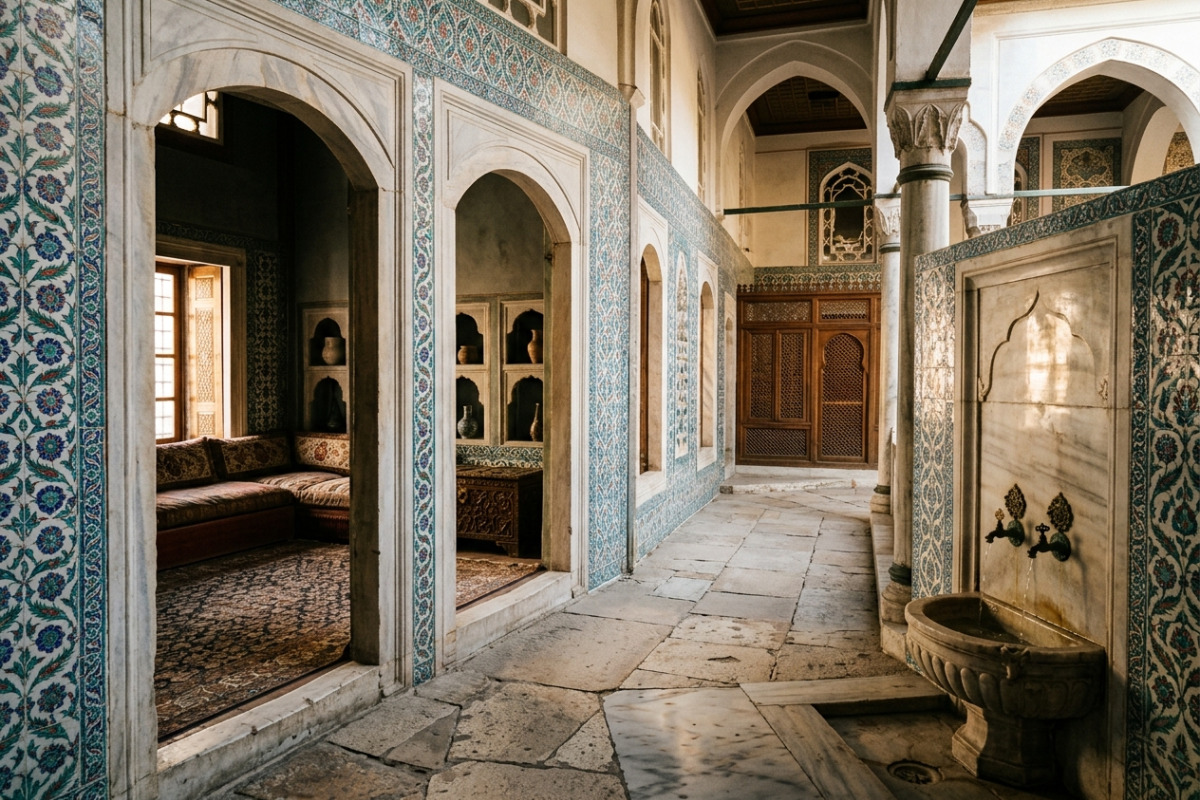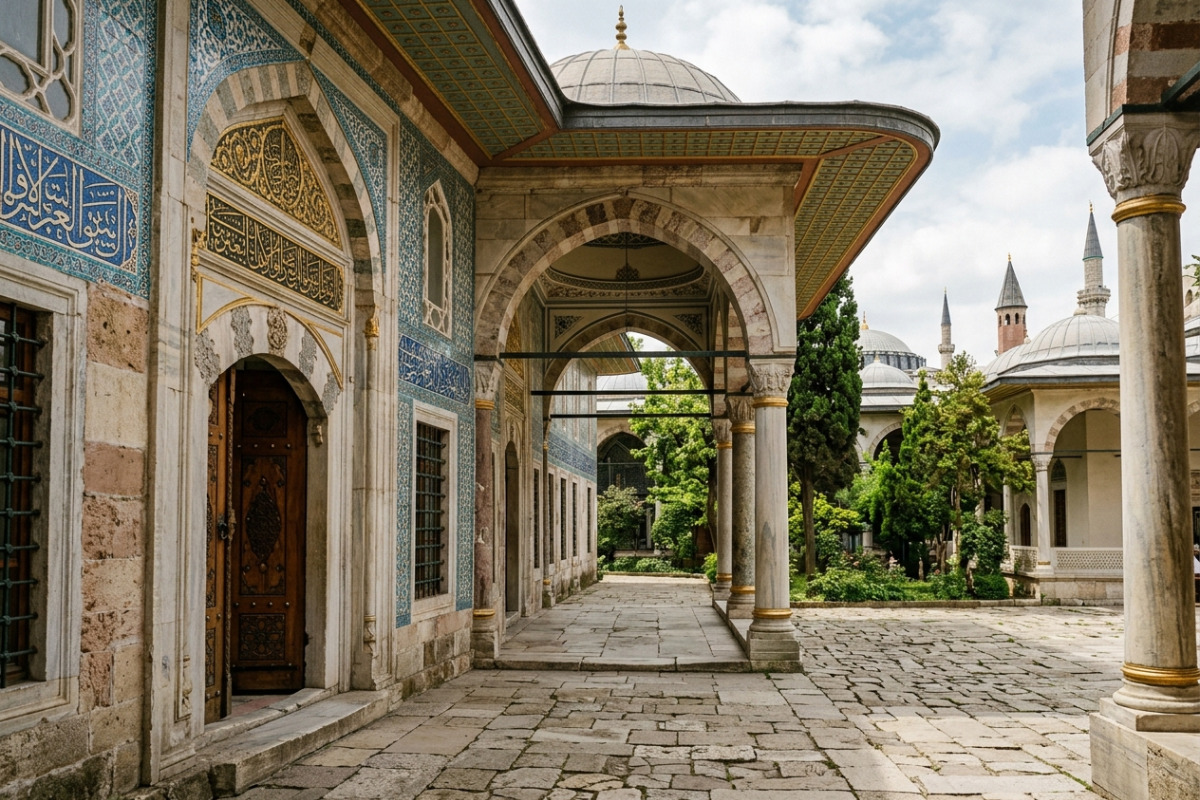
Dive into the depths of Ottoman culinary culture at Topkapi Palace. Discover rich recipes and the secrets of the palace kitchens.
Topkapi Palace captivates not only with its grandeur and history but also with the richness of Ottoman culinary culture. The palace kitchens were not just places where meals were prepared; they were also centers of cultural interactions, social hierarchies, and gastronomic discoveries. In this article, we will explore the culinary culture of Topkapi Palace, uncovering the rich gastronomic heritage of the Ottoman Empire.
Diversity of Ottoman Cuisines
The Ottoman Empire brought together diverse cultures and traditions across its vast territories. This diversity was reflected in its culinary culture. The kitchens of Topkapi Palace were filled not only with local ingredients but also with spices and foods from various regions. One of the most significant features of the palace kitchens was the use of seasonal produce. The palace chefs made the best use of natural resources to prepare rich dishes with fresh vegetables, fruits, and meats.
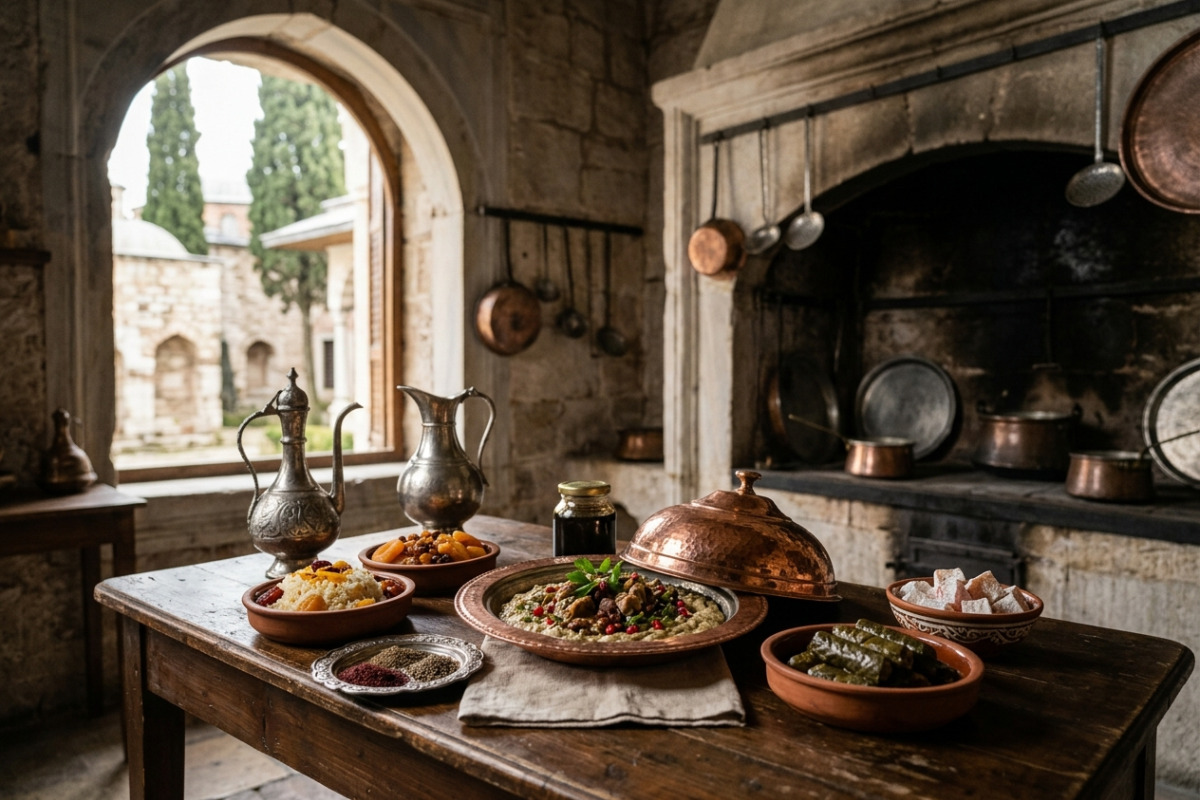
Ottoman cuisine boasts a rich array of dishes. Various categories of meals, such as pilafs, kebabs, olive oil dishes, and desserts, adorned the palace tables. Each dish was remarkable not only for its taste but also for its presentation. For example, the presentation of meals prepared in the palace was meticulously crafted like works of art.
Operation of the Palace Kitchens
The kitchens of Topkapi Palace had a highly organized structure that operated within a hierarchy. The palace head chef oversaw all kitchen operations, ensuring the quality and diversity of the meals. Below are some essential elements impacting the operation of the palace kitchens:
- Ingredient Selection: The palace kitchens paid great attention to using the freshest and highest quality ingredients.
- Master Chefs: The palace employed chefs specialized in cooking, who knew various techniques and recipes.
- Meal Presentation: Each dish was presented in a visually impressive manner. Service was considered an aesthetic art.
The palace kitchens did not merely cook; they also became centers of social events. Special meals prepared in these kitchens were used to celebrate important guests, special occasions, and holidays.
Gastronomic Heritage and Modern Influences
The culinary culture of the Ottoman Empire continues to exert influence today. Recipes from Topkapi Palace form the cornerstones of traditional Turkish cuisine. Today, many restaurants and homes serve dishes inspired by the palace kitchens. Particularly, dishes like dolma, kebabs, and desserts carry traces of the Ottoman era.
Gastronomic heritage is not limited to recipes; it also includes cooking techniques and presentation culture as part of this legacy. The culinary culture of Topkapi Palace is not just a dining experience but also a gateway to understanding the Ottoman way of life and social dynamics.
Conclusion and Visiting Tips
The culinary culture at Topkapi Palace is an important element reflecting the richness and diversity of the Ottoman Empire. When you visit the palace, you will have the opportunity to learn more about this unique culture. By exploring the Palace Kitchens section, you can see how historical kitchens operated and learn about the preparation of traditional dishes. As you journey through history, don't forget to step into the enchanting world of Ottoman cuisine!