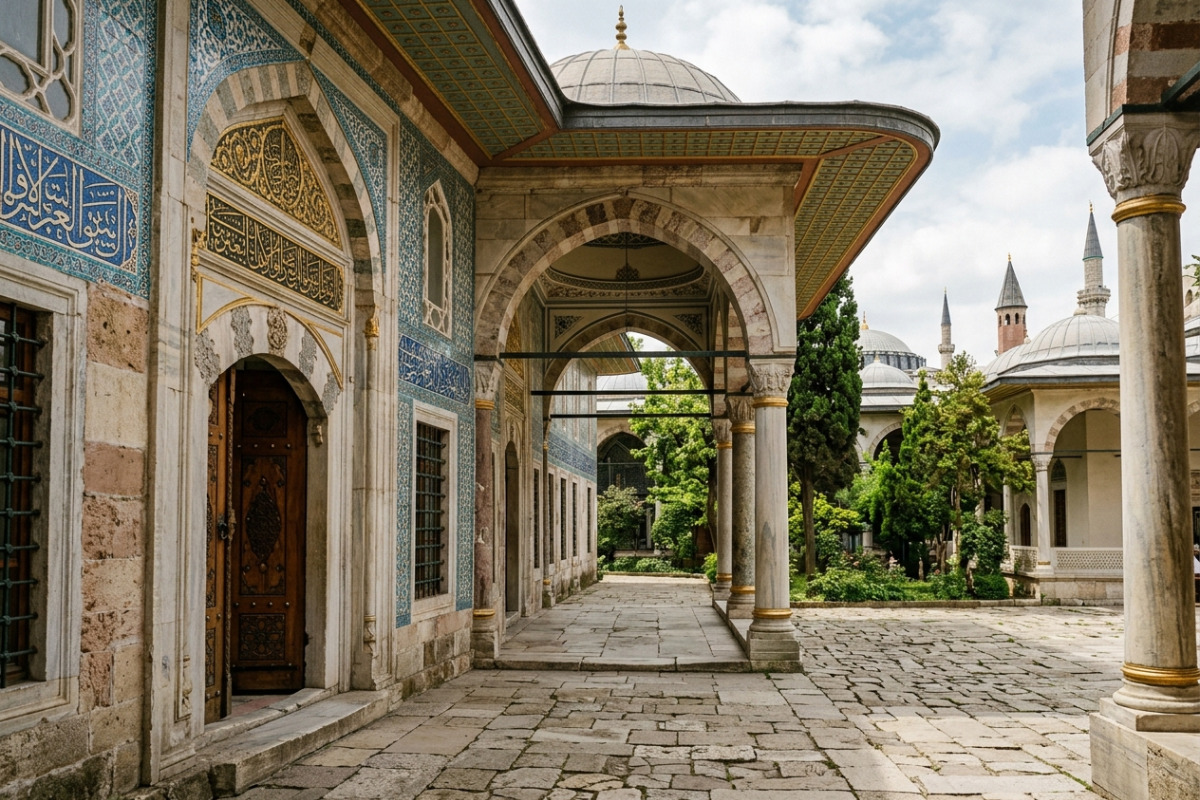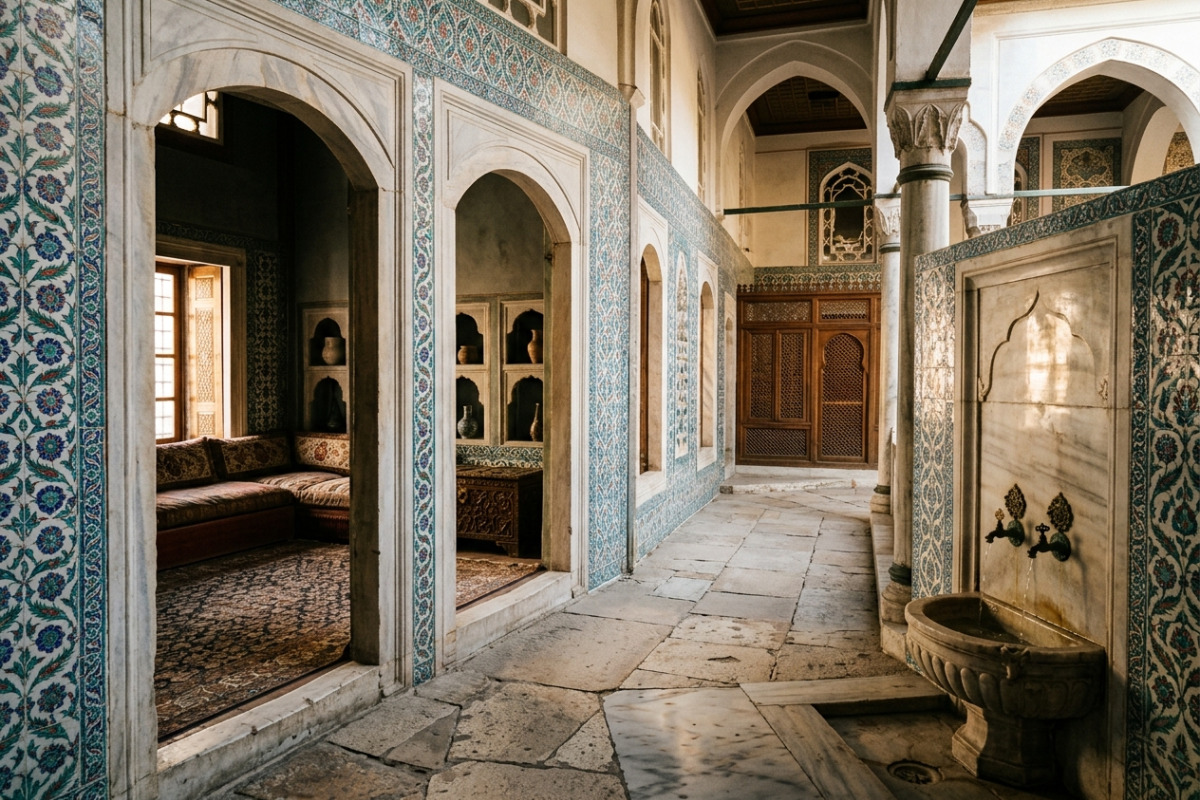
The Harem Section at Topkapi Palace offers a deep insight into the daily lives and cultural interactions of Ottoman women.
Topkapi Palace stands out not only as the political and military center of the Ottoman Empire but also as a hub of culture and art. The Harem Section provides a profound look into the daily lives of the women who lived here. In this article, we will explore the lives, interactions, and cultural richness of women in the Harem Section.
Social Dynamics of the Harem Section
The Harem was not just a place in the Ottoman Empire; it was the center of women's social lives. Within this space, there existed a complex hierarchy among the sultans' wives and concubines. Each woman had her own unique role and responsibilities. The women in the harem were significant figures not only for the sultan but also for other aspects of palace life.
The Harem Section also shaped the interactions among women in their daily lives. Common living areas were places where women gathered to share experiences and organize cultural activities. These social dynamics supported the cultural and artistic development of Ottoman women.
The Harem Section and Education
The educational levels of women living in the harem varied over time. Some women developed themselves by receiving education in music, literature, and art. Particularly, women recognized as poets and writers made significant contributions to Ottoman literature. This shows that the Harem Section functioned not only as a harem but also as an educational center.
Moreover, the discussions and art activities among the women in the harem also supported their intellectual development. This indicates that the Harem Section was not just a physical space but also a center of minds and cultural interactions.
Traditions and Customs in the Harem Section
The Harem Section was a place where important traditions and customs that shaped Ottoman culture were practiced. Events held during weddings, festivals, and other special days showcased this cultural richness. Such events were not only for entertainment but also moments where women came together, empowered, and showed solidarity.
The clothing, attire, and jewelry of women in the harem reflected the fashion of the period while also determining their social status. Every detail emerged as a part of Ottoman culture, revealing this rich heritage.
Traces of Daily Life in the Harem Section
The daily life in the Harem Section was filled with both joys and challenges. Women not only served the sultan but also formed a community among themselves, providing emotional support. This support played a crucial role in overcoming the challenges they faced.
From today's perspective, the lifestyle of the Harem Section serves as an important example regarding the struggle for women's freedom and the transformation of social roles. These deep layers of history offer visitors the opportunity to explore traces of the past.
Conclusion: Modern Reflections of the Harem Section
Located at the heart of Topkapi Palace, the Harem Section continues to hold significance today as a structure reflecting the historical depths of Ottoman women. Visitors can gain a perspective on the lives of women in the past by exploring this unique area. The Harem Section stands out not only as a historical site but also as a symbol of women's power and cultural heritage. If you wish to experience this unique journey at Topkapi Palace, you can check the visiting information and purchase tickets for this historical adventure.