The Harem Section of Topkapi Palace opens a door to the mysterious world of the Ottomans. Dive into the depths of the harem and discover the unknown.
Topkapi Palace captivates not only with its architecture but also with the stories it holds within. The Harem Section, as one of the most special areas of the Ottoman Empire, serves as a gateway to the world of women. However, the truths behind this door are often filled with unknown and intriguing secrets. The harem was not just a living space, but also a stage for power games, intrigues, and love stories.
History and Importance of the Harem Section
The harem is known as the place where the highest-ranking officials of the Ottoman Empire, the wives and concubines of the sultans, lived. This area became a symbol that reinforced the sultans' power. The roots of the Harem Section extend back to the early periods of the Ottoman Empire. Initially, the harem was merely a living space for the sultan's family, but over time it transformed into a political and social center. Here, the power and influence of women played a significant role in the management of the Ottoman Empire.
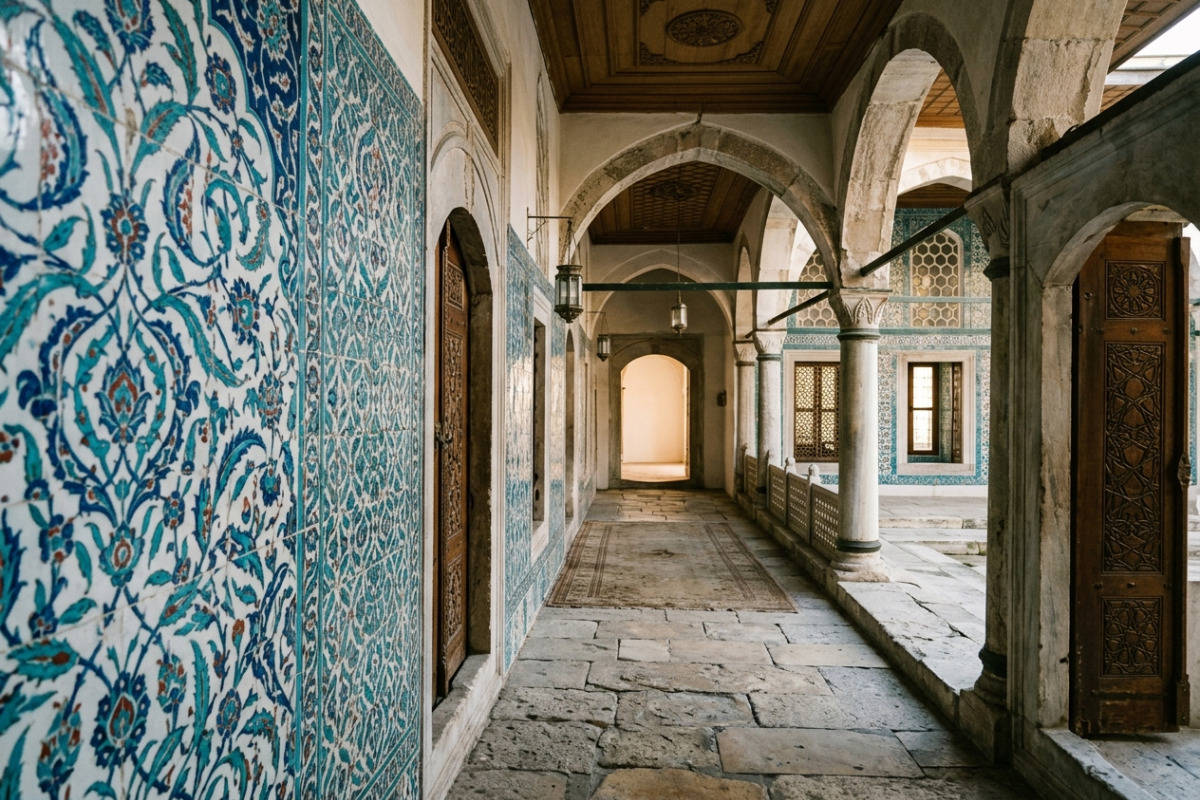
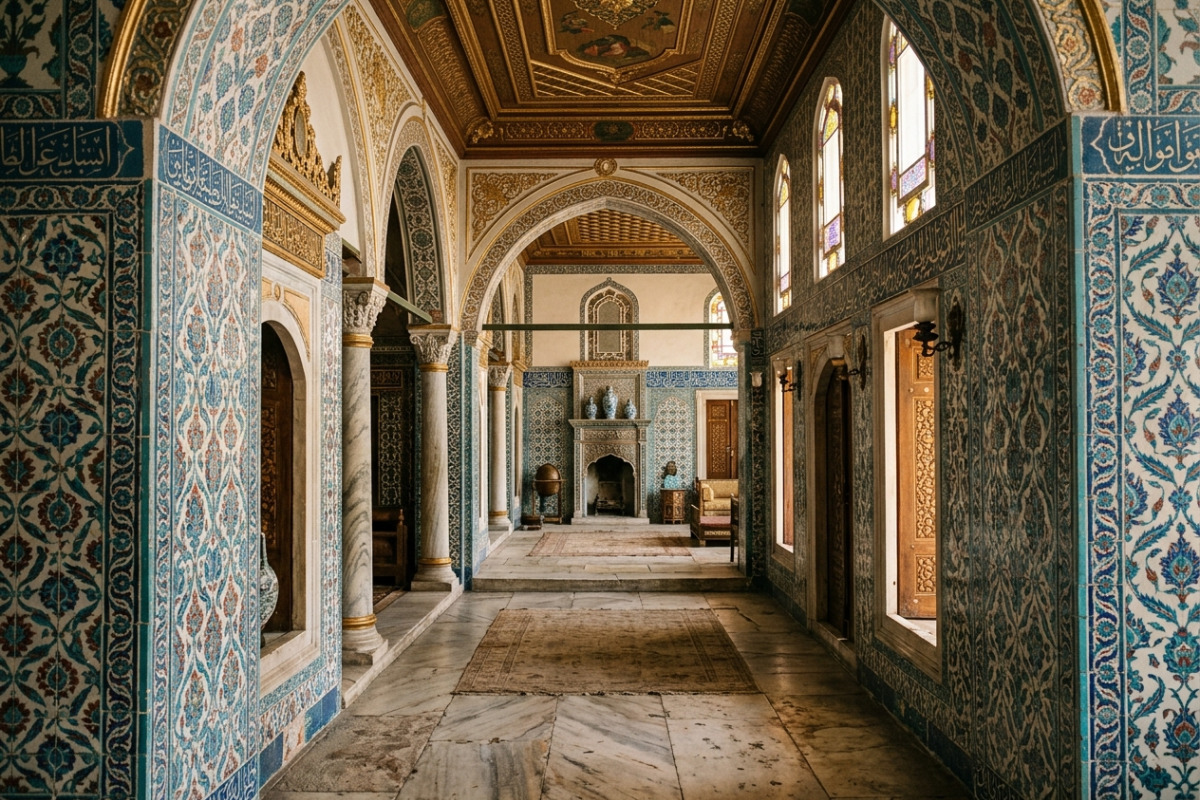
The Harem Section is also notable for its architectural design. This part of the palace is filled with elegant interiors and artworks. In every corner, you can feel the grace of Ottoman art. The harem was not only a living space but also a center for education and cultural development. The women raised here became well-equipped in fields such as literature, music, and art.
Life and Traditions in the Harem Section
The Harem Section was not just a living space; it also had its own social structure. The women living here occupied certain positions within a hierarchy. The sultan's wife held the top position as the chief consort, while other women and concubines continued this hierarchy. The harem was filled with solidarity and relationships that women formed among themselves. These relationships could sometimes lead to power struggles and intrigues.
In traditional Ottoman culture, the women in the harem did not only cater to the sultan's pleasures but also had an influence in the administration of the state. Some women became favorites of the sultans, gaining the power to have a say in politics. Therefore, life in the harem was not just about physical existence; it was also a realm of power and influence.
The Harem Section for Today's Visitors
Today, those visiting Topkapi Palace must see the Harem Section. The harem stands out as an area that evokes the magnificent past of the Ottoman Empire for visitors. The rich history and architectural structure of the Harem Section offer a profound experience. Here, while exploring the traces of the past, one can also understand the power and influence of Ottoman women.
While touring the Harem Section at Topkapi Palace, don’t forget to engage with other parts of the palace. Areas like the Sacred Relics and the Treasury Department, part of the palace's rich collections, are must-see spots for history enthusiasts. Additionally, it would be beneficial to learn about the Sections of the Palace to better understand the architectural structure of the palace.
Conclusion
The Harem Section of Topkapi Palace is not just a living space; it is also a reflection of the social and cultural structure of the Ottoman Empire. This mysterious area stands out as a place that carries the traces of the past and offers a unique experience to today’s visitors. If you are considering visiting this historic site, don’t forget to check the visiting information.